All Posts By

FWHCC

A Bridge Rebuilt: Recapping the Fort Worth Hispanic Chamber and Fort Worth Sister Cities International Toluca & Mexico City Exchange

By | blog | No Comments
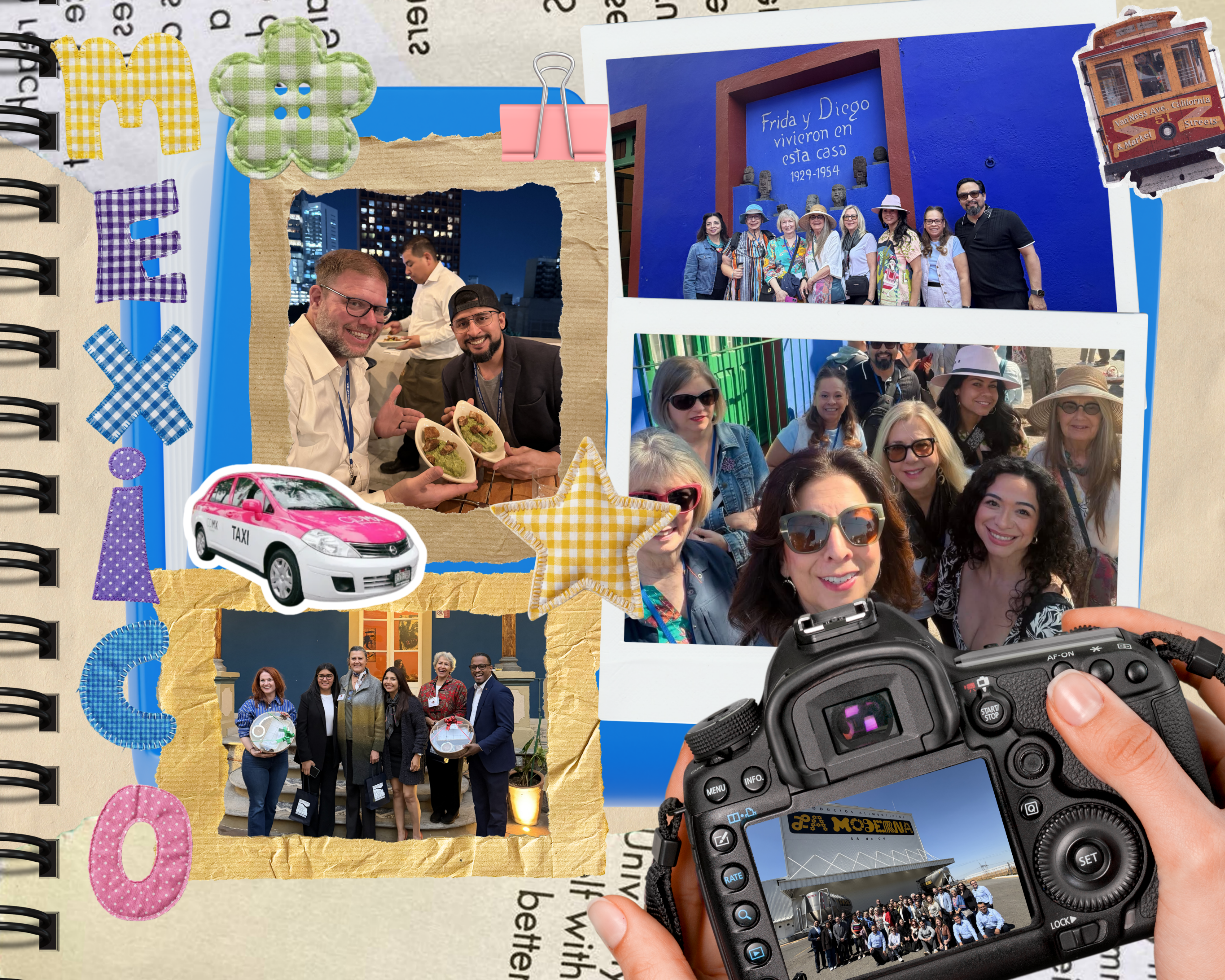
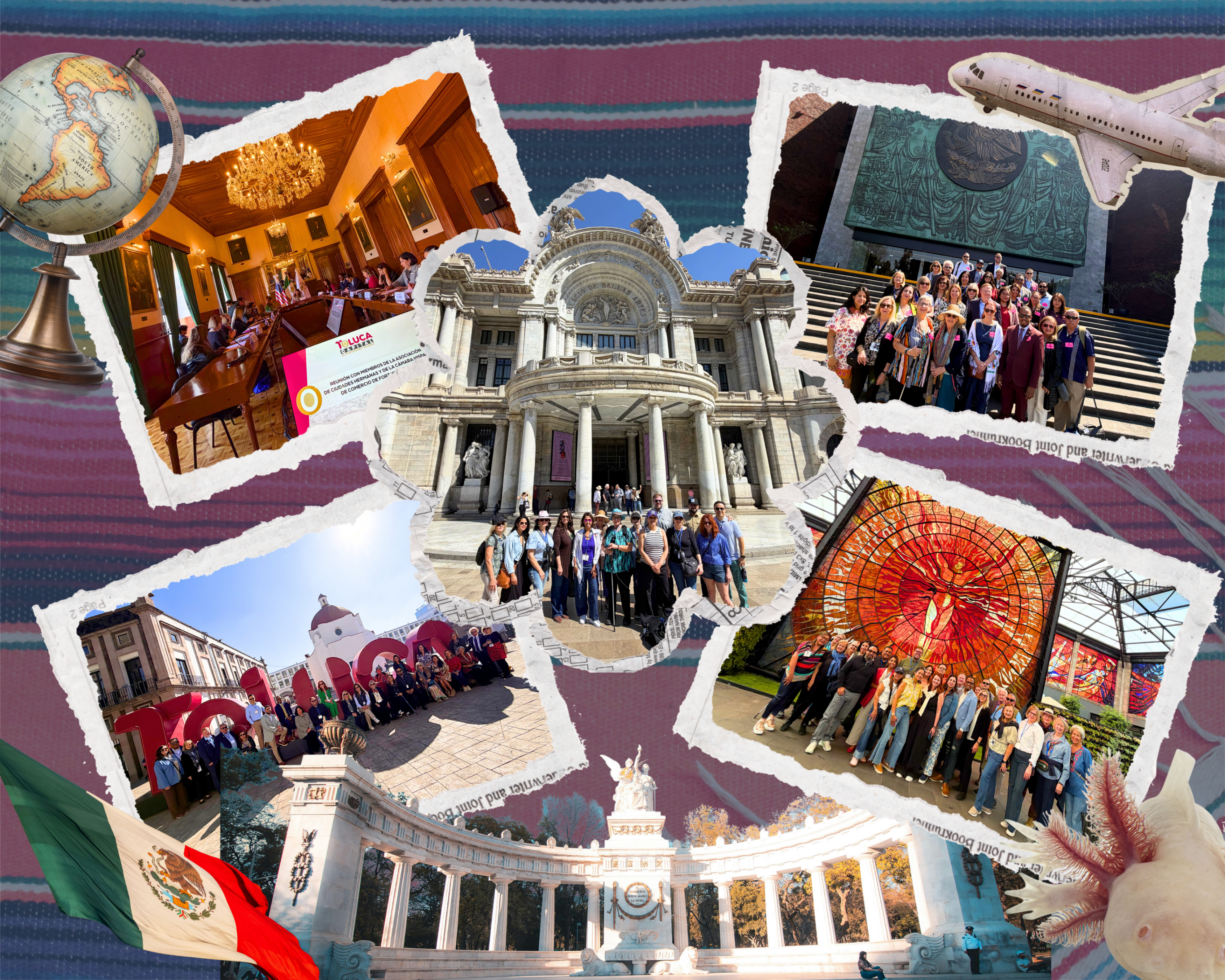
In a recent visit to Toluca and Mexico City, the Fort Worth Hispanic Chamber and Fort Worth Sister Cities International walked through history. While we toured the iconic Casa Azul and met with key economic officials, we were reminded that the FWHCC has been a cornerstone of this international bond since the very beginning.
The Fort Worth Hispanic Chamber recently returned from an incredible journey to Mexico. For us, this trip was about more than just new sights; it was about honoring our roots.
As we joined Fort Worth Sister Cities International to explore the vibrant economic landscape of Toluca and Mexico’s dynamic capital, we did so with a deep respect for our history. We weren’t just a participant in this exchange; we were a founding leader of the relationship.
The bond with Toluca was forged through the fierce advocacy of leaders like former Mayor Kenneth Barr and the late City Councilman Jim Lane, who fought to ensure Fort Worth had a sister city that truly represented our Latino community. Alongside former Assistant City Manager Ramon Guajardo, they worked hand-in-hand with the FWHCC, empowering our Chamber to take the lead on international economic development.
In 1998, under the guidance of former Chairman John J. Hernandez and Carlos De La Torre, our Chamber led many members who attended the signing ceremony at the inauguration of the City of Fort Worth’s relationship with Toluca. During that visit, our Chamber also led business development efforts by conducting matchmaking between business leaders from Fort Worth and Toluca, and achieved its first success story in Toluca when Freese and Nichols signed a contract with a local firm.

From an official welcome with the Mayor of Toluca to exploring the breathtaking Cosmovitral botanical garden, this trip signaled a return to our role as a catalyst for international business. We are proud to re-engage with this legacy, building on the work of the leaders before us to create fresh opportunities for our members today!

How Middle Market Companies Are Preparing for the Year Ahead with Strategy, Investment, and Talent

By | blog, Entrepreneurship Development, FWHCC News | No Comments

As we enter 2026, U.S. middle market companies are doing more than turning the page on last year—they are repositioning for growth. According to the National Center for the Middle Market’s Q4 2025 Middle Market Indicator,[1] the sector closed the year with renewed momentum, posting year-over-year revenue growth of 11.7% and seeing 85% of companies report higher revenues for the year. That rebound, combined with renewed willingness to invest, sets the stage for a year defined less by recovery and more by opportunity.

While employment growth remained muted at 7.8%, below post-pandemic averages, the gap between revenue growth and hiring highlights a possible characteristic for 2026: innovation led growth. Middle market leaders are leaning into technology, capital discipline, and talent development to do more with existing resources.

The question for business leaders is no longer whether change is coming—it is how to lead confidently through it. Three priorities stand out as Texas based companies prepare for the year ahead.

First, financial readiness has become a strategic advantage.

The NCMM data shows that companies are once again more inclined to invest incremental dollars back into the business rather than hold excess cash, signaling confidence in growth opportunities. In this environment, stress-testing balance sheets, modeling best- and worst-case scenarios, and ensuring credit structures can flex with demand are no longer defensive exercises—they are essential tools for strategic decision-making. Businesses that understand their liquidity position and financing options will be better positioned to move quickly when opportunities arise.

Second, innovation is shifting from experimentation to execution.

Artificial intelligence has emerged as the leading destination for investment dollars in the middle market, with 53% of companies planning near-term investments in intelligence tools—up sharply from mid-year. Digital transformation has also climbed the list of top strategic priorities as companies look to improve productivity and save time. In 2026, success could be determined by a company’s ability to innovate with intention: integrating AI and automation into core workflows, aligning technology investments with measurable returns, and strengthening cybersecurity as digital exposure expands.

Third, talent remains the linchpin of successful transformation.

Although companies report less difficulty finding qualified workers than in prior years, the need for upskilling has never been greater. As AI and automation reshape roles, investing in employee development is critical to sustaining productivity and engagement. Organizations with formal training programs consistently outperform peers, generating higher income per employee and stronger profit margins. In 2026, empowering employees with the skills to adopt new tools may be just as important as the tools themselves.

Taken together, the NCMM’s Q4 2025 findings paint a clear picture of the year ahead. Despite uncertainty, the middle market is leaning into technology and focusing on strategic growth. Companies that strengthen financial readiness, innovate purposefully, and invest in their people should be well positioned to lead with confidence in 2026.

National Center for the Middle Market’s Q4 2025 Middle Market Indicator

By Laura Flores Simmons, Wells Fargo Commercial Banking, Texas Division Sales Executive

North Texas Community Foundation awards $250,000 Fund for Good grant to FWHCC for the Historic Northside Main Street pilot

By | FWHCC News | No Comments

North Texas Community Foundation awards $250,000 Fund for Good grant to Fort Worth Hispanic Chamber of Commerce for Historic Northside Main Street pilot

FORT WORTH, Texas, Feb. 23, 2026 — North Texas Community Foundation (NTCF) has awarded a $250,000 multi-year grant to the Fort Worth Hispanic Chamber of Commerce through the Fund for Good at the North Texas Community Foundation. This strategic investment will support the continued implementation of the Historic Northside District Main Street pilot, one of two City of Fort Worth–designated Main Street America pilot corridors.

The Fund for Good grant is part of NTCF’s broader commitment to community development in Fort Worth’s Historic Northside. As investment and development activity continue to increase in surrounding areas, the pilot provides a coordinated framework to help align growth with long-term community and corridor priorities. The Foundation also supported a National Urban Land Institute Advisory Services Panel focused on the Historic Northside, providing independent analysis and recommendations to help guide community-informed revitalization amid increasing development pressure.

The Fort Worth Hispanic Chamber of Commerce will serve to coordinate implementation across small business support, public-private partnerships, cultural programming, and community engagement along the North Main Street corridor.

Since its launch, Historic Northside District Main Street pilot has supported more than 440 small business assistance touchpoints, delivered district-wide programming and engagement, and helped align approximately $84 million in active and planned corridor investment projects in one of Fort Worth’s most historically significant neighborhoods. Signature cultural programming, including the annual Sonidos del Summer concert series, draws more than 9,000 visitors each year to Marine Park.

“The North Texas Community Foundation continues to champion bold, community-driven solutions that strengthen Fort Worth through its Fund for Good grant, and the Fort Worth Hispanic Chamber of Commerce and Historic Northside Main Street pilot could not be more deserving of the award,” said Mayor Mattie Parker. “This strategic investment will play a major role in the long-term revitalization, economic growth, and community pride in one of our city’s most historic neighborhoods.”

The Historic Northside is one of Fort Worth’s most historic communities and a long-standing gateway to the city, home to approximately 11,000 residents, nearly 97 percent of whom identify as Hispanic or Latino. As major development advances nearby, the Urban Land

Institute Advisory Services Panel identified growth trends that increased property values in the area by approximately 60 percent between 2016 and 2021, underscoring the urgency of establishing coordinated, community-informed strategies to mitigate development pressures.

“Thanks to generous donor support, the Fund for Good invests in long-term strategies to address our region’s evolving needs,” said Rose Bradshaw, president and CEO of North Texas Community Foundation. “This investment in the Main Street pilot helps ensure that as development occurs, residents and local businesses can continue to thrive in the place they call home.”

As Fort Worth advances major development projects in the area, including Panther Island, residents and City leaders have publicly acknowledged concerns related to development pressure, displacement, and the preservation of neighborhood identity in the Historic Northside. The Main Street pilot was established to help ensure that revitalization efforts are coordinated, community-informed, and aligned with long-term neighborhood priorities.

In partnership with national, regional, and community-based organizations, the pilot has advanced key implementation milestones, including convening a resident-led Community Action Committee (CAC), establishing district design guidelines and rezoning efforts currently in progress, and expanding stabilization resources for residents and small businesses. Community Design Fort Worth is advancing a district-wide cultural asset mapping initiative, while partnerships with the Texas A&M Law School Economic Justice Initiative have supported heirship and legal assistance, and collaboration with Trinity Habitat for Humanity has helped connect homeowners to critical home repair resources.

The Fund for Good grant will support organizational capacity building for the Historic Northside District, strengthening the coordination, staffing, and systems required to sustain neighborhood-wide implementation over time. Funds will also support a Missing Middle Housing study, identified as a priority recommendation of the national Urban Land Institute Advisory Services Panel, to better understand housing needs and explore context-sensitive strategies that support neighborhood stability as development accelerates.

“The Historic Northside is a place with deep history, culture, and community leadership,” said Ericka Garza, President & CEO of the Fort Worth Hispanic Chamber of Commerce. “We are focused on building durable, community-informed structures supporting residents, small businesses and cultural life today and for future generations of the Northside community. Together with District 2 Councilman Carlos Flores, we will coordinate work thoughtfully and pragmatically as the district continues to evolve and grow.”

Launched in 2024, the Fund for Good at North Texas Community Foundation supports transformative solutions to emerging challenges by directing philanthropic resources to organizations positioned to deliver long-term impact. The City of Fort Worth has identified the Historic Northside as a priority area experiencing significant investment, underscoring the importance of aligning public and private dollars with community priorities.

All Fund for Good grants undergo a rigorous evaluation process conducted by a volunteer committee of community experts.

About North Texas Community Foundation

North Texas Community Foundation drives meaningful change through charitable investment. The Foundation helps donors meet the needs of the community by providing tax-efficient strategies to support the causes they care about most. At the core of its work is a network of generous individuals, families, and businesses committed to shaping the future of North Texas for good, forever. Learn more at northtexascf.org.

About the Fort Worth Hispanic Chamber of Commerce

The Fort Worth Hispanic Chamber of Commerce fosters a thriving economic environment by empowering businesses, entrepreneurs, and professionals across Fort Worth. The Chamber provides personalized support, bilingual programming, advocacy, education, and business development resources to help enterprises at every stage build lasting wealth and long-term stability. The Chamber leads the Historic Northside District Main Street pilot in partnership with the City of Fort Worth, coordinating revitalization efforts that align economic growth with community priorities

Media Contact: Dee Lara O’Neal Main Street Project Manager Fort Worth Hispanic Chamber of Commerce dee.laraoneal@fwhcc.org


Strengthening Opportunity: FWHCC and Women’s Business Council – Southwest Sign Strategic MOA

By | FWHCC News | No Comments

The Fort Worth business community just took an important step forward.

We are proud to announce a strategic partnership between the Fort Worth Hispanic Chamber of Commerce and the Women’s Business Council – Southwest (WBCS). This collaboration formalizes a shared commitment to expanding access to Small Business Certification, strengthening supplier diversity pathways, and increasing contract readiness across the Fort Worth region.

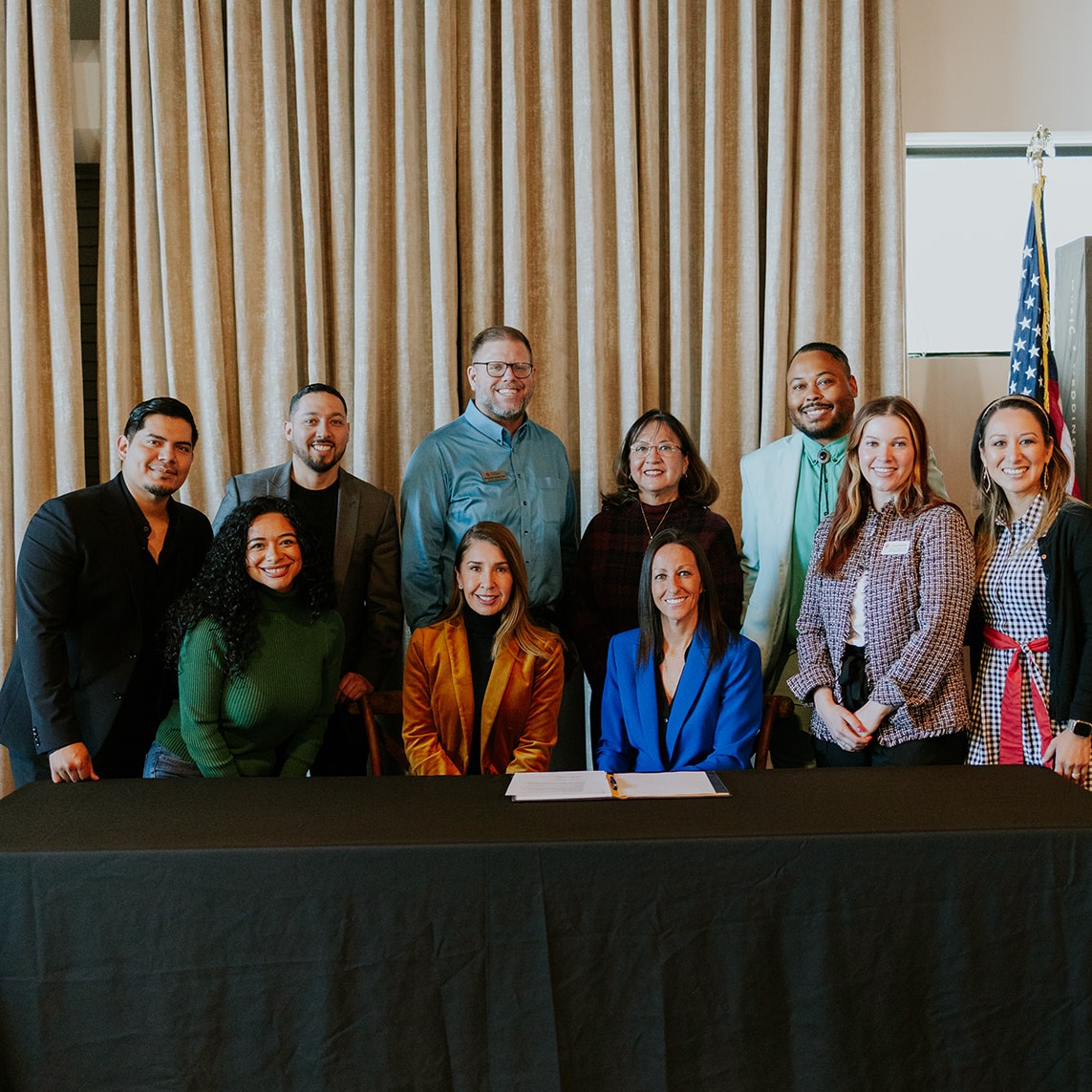
At our recent Contractor Networking event, this partnership was officially recognized as Ericka Garza, President & CEO of the Fort Worth Hispanic Chamber of Commerce, and Bliss Coulter, President & CEO of Women’s Business Council – Southwest, came together to sign a Memorandum of Agreement (MOA). This milestone represents more than a signature—it represents leadership alignment and a unified strategy to create measurable impact for small businesses.

Why This Partnership Matters

Small business certification is often the gateway to larger contract opportunities, supplier diversity programs, and long-term growth. However, many businesses struggle to navigate the certification process or understand how to leverage it once obtained.

Through this MOA, FWHCC and WBCS are working together to:

  • Increase awareness and access to Small Business Certification

  • Provide clearer guidance through the certification process

  • Align education and contract readiness programming

  • Connect businesses to broader supplier diversity networks

  • Create stronger matchmaking between certified firms and procurement opportunities

By aligning our efforts, we are building a more streamlined and coordinated pathway for businesses seeking to compete and grow at a higher level.

A Unified Vision for Certification and Growth

This partnership is grounded in a shared belief: certification should not be an endpoint — it should be a launchpad.

Together, we are creating a stronger ecosystem where certification connects directly to opportunity. Businesses will have access to joint workshops, coordinated outreach, and aligned programming that prepares them not just to get certified, but to compete confidently in public and private markets.

Bliss Coulter and the Women’s Business Council – Southwest bring deep expertise in certification and supplier diversity. The Fort Worth Hispanic Chamber brings local relationships, contract forecasting, and readiness programming. Together, we are strengthening the bridge between preparation and performance.

Advancing Long-Term Success in Fort Worth

This MOA reflects a broader shift in how we approach economic development: collaboration over duplication, alignment over fragmentation.

By working together, our organizations are increasing efficiency, improving access to resources, and expanding opportunity for small businesses throughout the region.

This partnership is about more than two organizations — it is about advancing the long-term success of the Fort Worth business community and ensuring that small businesses are prepared, certified, connected, and competitive.

We look forward to what we will build together. To find out more about the certification process: Matchmaking and Certifications

To visit the Womens Business Council Resources:Womens Business Council

Building with Purpose: How FWHCC Is Strategically Shaping the Future for Businesses

By | blog, FWHCC News | No Comments

The Fort Worth Hispanic Chamber of Commerce is proud to release our 2026 Annual Impact Report, a powerful reflection of how far we have come — and a clear signal of where we are headed.

Over the past two years, our Chamber has undergone a significant transformation. We have moved from being primarily an event-driven organization to becoming a data-driven, impact-focused, and systems-minded institution that is deeply committed to understanding the real needs of businesses and designing solutions that create measurable results.

This report is not just a summary of activity — it is a blueprint for how we are building a Chamber that creates wealth, strengthens businesses, and positions our community for long-term economic success.

A Period of Rapid Innovation and Expansion

In just the past two years, the FWHCC has launched over 17 new initiatives, marking one of the most ambitious periods of innovation in our organization’s history.

These initiatives were not created in isolation. They were informed by research, member feedback, and a deep commitment to addressing the biggest challenges our businesses face — from capital access and workforce development to procurement readiness, leadership development, and systems building.

Among our most significant achievements during this period:

  • 10 new committees were formed, expanding our leadership structure and creating more opportunities for members, board leaders, and community partners to engage meaningfully in our work. These committees ensure that our advocacy, programming, and strategic priorities are shaped by diverse perspectives and deep expertise.

  • 6 brand-new programs were launched, each designed to meet a specific need within our business ecosystem. These include initiatives focused on:

    • Capital access and funding readiness

    • Entrepreneur incubation and pitch development

    • Contractor and service business readiness

    • Leadership development

    • Workforce and talent pipeline building

    • Supplier and procurement alignment

Together, these programs form a cohesive framework that supports entrepreneurs at every stage — from idea to scale to sustainability.

Building a Chamber That Understands Businesses Better Than Anyone

A central theme of this year’s Impact Report is our commitment to becoming the organization that best understands the needs of businesses in North Texas.

To do this, we have embedded assessment and data collection into everything we do. We now use structured tools like our Build Smart and Service Smart assessments to diagnose business bottlenecks, identify strengths, and tailor support accordingly.

Rather than guessing what businesses need, we are letting the data — and the voices of our members — guide our programming.

This approach allows us to:

  • Design workshops that address real, current business challenges

  • Connect members to the right partners, capital, and resources

  • Track progress over time and demonstrate tangible impact

  • Create a feedback loop that continuously improves our services

Our annual baseline assessment, combined with real-time webinar assessments, ensures that our work is always grounded in the lived experiences of our entrepreneurs.

From Programs to Pathways

One of the most exciting developments highlighted in the report is how our initiatives are becoming interconnected.

Programs like Lanzar, Capital Tandas, Valor Pitch Practice, and our Pitch Competition are no longer standalone offerings — they are becoming part of a cohesive entrepreneur pathway.

This shift lays the foundation for what will become our Lanzar Incubator, a year-long experience that integrates education, capital readiness, mentorship, assessments, and community building into one seamless journey for business owners.

Our goal is simple but bold: when someone enters the FWHCC ecosystem, they should never feel lost. Instead, they should experience a clear, structured, and supportive pathway toward growth and sustainability.

A Collective Effort

None of this progress would have been possible without our dedicated board, staff, members, partners, and sponsors.

From our corporate supporters to our grassroots entrepreneurs, from our government allies to our philanthropic partners — this Impact Report represents a shared commitment to economic opportunity, inclusion, and community prosperity.

Every program launched, every assessment completed, every workshop delivered, and every dollar invested reflects a belief that when businesses thrive, our entire region benefits.

Looking Ahead

As we move into the next phase of our work, this Impact Report serves as both a celebration and a call to action.

We are not slowing down.

In the coming year, we will continue refining our incubator model, strengthening our committees, expanding our capital access strategies, and deepening our data-driven approach to impact.

We invite our members, partners, and community to read the full report, reflect on our progress, and join us in shaping what comes next.

Together, we are building more than a Chamber — we are building an ecosystem that creates opportunity and generational wealth for entrepreneurs in Fort Worth and beyond.

Read the full 2026 Annual Impact Report here:2026 Annual Impact Report